


How can the mixing efficiency of the soil mixing station be improved steadily?
The production efficiency of the stabilized soil mixing plant determines the speed of the whole project. The quality of mixing is also related to the quality of the project. In order to ensure the quality of mixing and the efficiency of mixing, a excavator can be turned over to balance the water content of the raw material. The black ash, lime water content is determined by many uncertain factors, especially the lime digestion quality, quality, whether screening all affects the efficiency in the use of lime.
Therefore, before use, to ensure that the most suitable for the construction of lime water, to grasp the right time destacking. If it is too wet, it can be turned over several times by the excavator until the appropriate water content is reached, which ensures both the construction efficiency and the ash dosage.
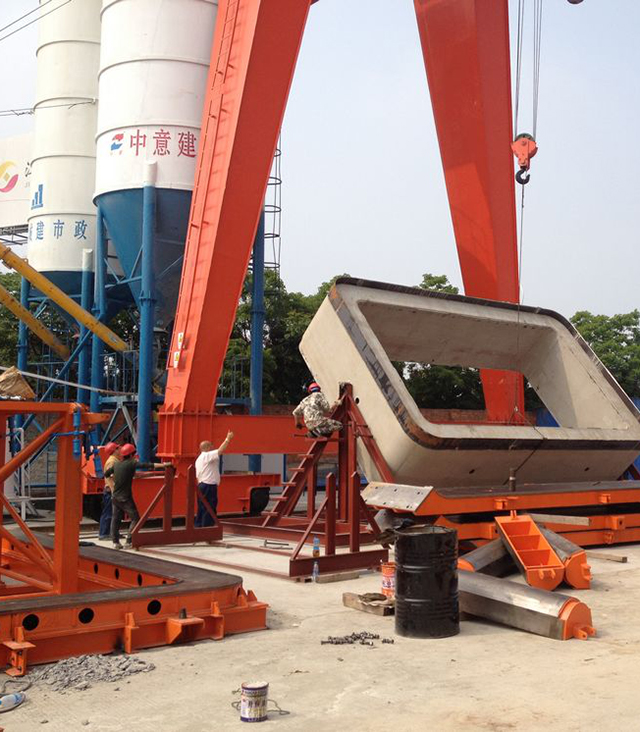
The location of the stabilized soil mixing plant is also very important. In particular, the flow of transportation in the field is also related to the efficiency of production. Because in production, we should not only consider the efficiency of loader feeding, but also consider that transportation vehicles do not stop blocking, and the incoming vehicles do not affect the on-site construction. In addition, the loader should be lifted when the material of the silo screen is stopped by the poker, so that it can facilitate the work of the poke, but it cannot be fed too late, otherwise it will be broken.
Therefore, the efficiency of stable soil mixing station is improved by many factors, which requires close cooperation between human and human and external factors and internal factors.
Three parts should be strictly monitored in the mixing station to ensure safe operation.
The safety requirements of the electrical system of the mixing station. When the equipment is selected, the safety requirements of the electrical system are available. The emergency console should be equipped with an emergency power switch. In case of emergency, the total power supply should be cut off, and the emergency switch can not be reset automatically. Maintenance of mixing console lid opening and closing power supply shall be provided with the interlock device, when the access cover open should be cut off the power supply, the host will not start. In the design of mixing station foundation, special grounding network should be set up, and there is a reliable electrical connection with the building and silo, and the grounding resistance is not greater than 10 ohms. The computer control system should have an independent grounding network, and the grounding resistance is not greater than 4 ohm.
Safety requirements for structural components. The standard of commodity concrete mixing plant requires that safety protection devices should be set up in parts such as mixing station operation platform, feed, aggregate bin, cement bin and other personal safety parts. The exposed parts of the transmission system should have protective devices and safety maintenance and protection devices. The width of the platform and the runway should be no less than 50cm, and the skirting boards at the edges should be set up not less than 5cm height, so that the personal injury accidents can be prevented if the materials such as tools and metals fall from the gap of the treadle pedals.
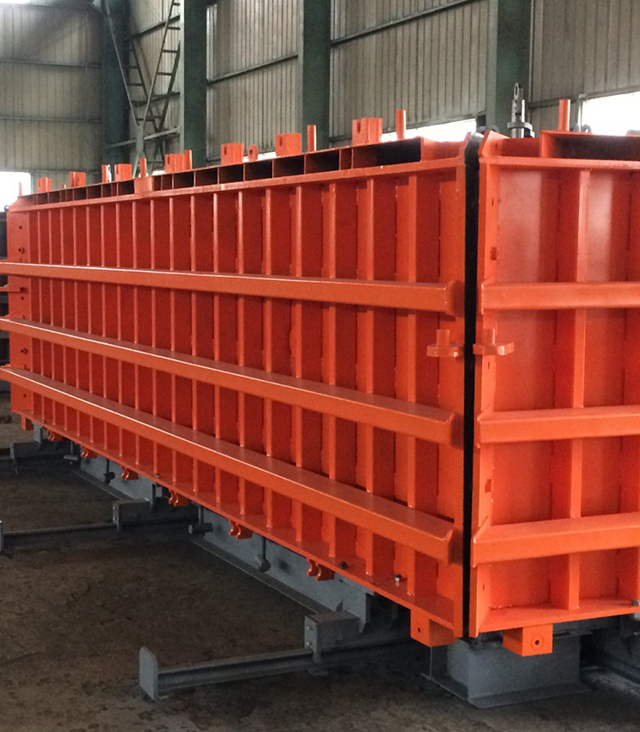
The safety design of the mixing station's foundation and the design of the mixing station foundation shall be designed and confirmed by the designer with the architectural qualification according to the real situation of the local geological or real site. The ground allowable compressive stress is generally taken from 0.2 to 0.3MPa, and the base strength is calculated according to the GB5007 standard. For the hard soil, the foundation concrete can be poured only after the bottom paving treatment. C30 concrete is generally used. Soft foundation excavation, must according to the excavation of the filling degree, base bottom reinforcement choose different process. Mixing station reinforcement methods are commonly used to play plum or the base area increases, increase the bearing capacity of the foundation, on the basis of preventing after cracking and subsidence of the equipment and production problems.